Ready for a fresh look? Book your appointment and let us pamper you.
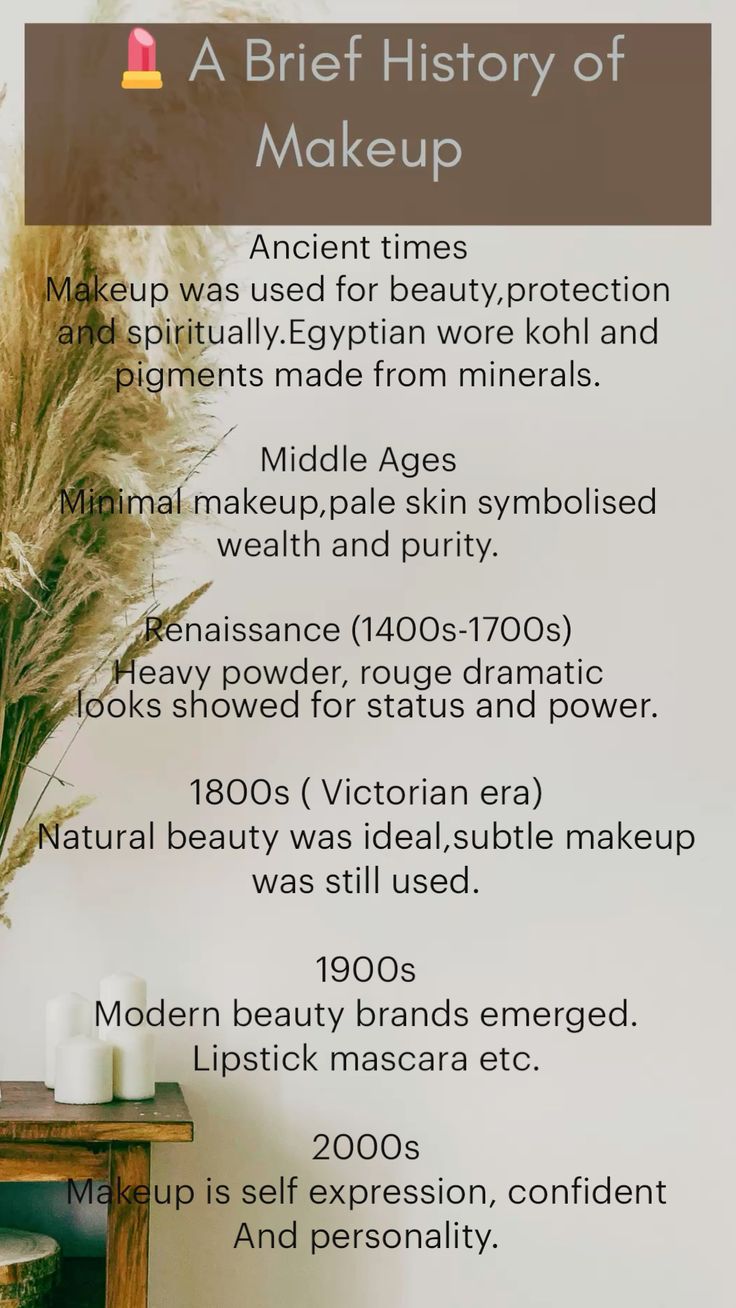
Cosmetology History
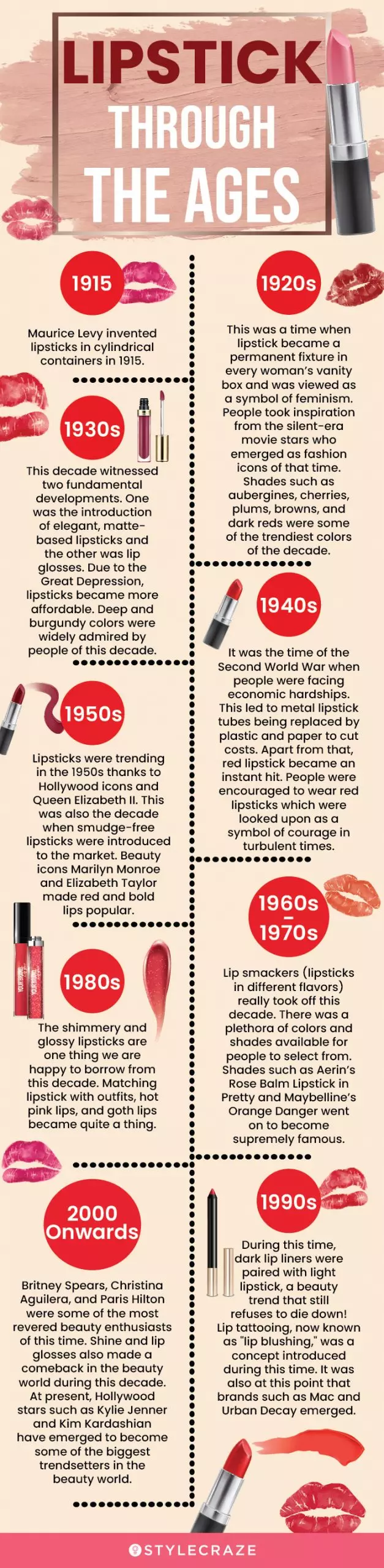
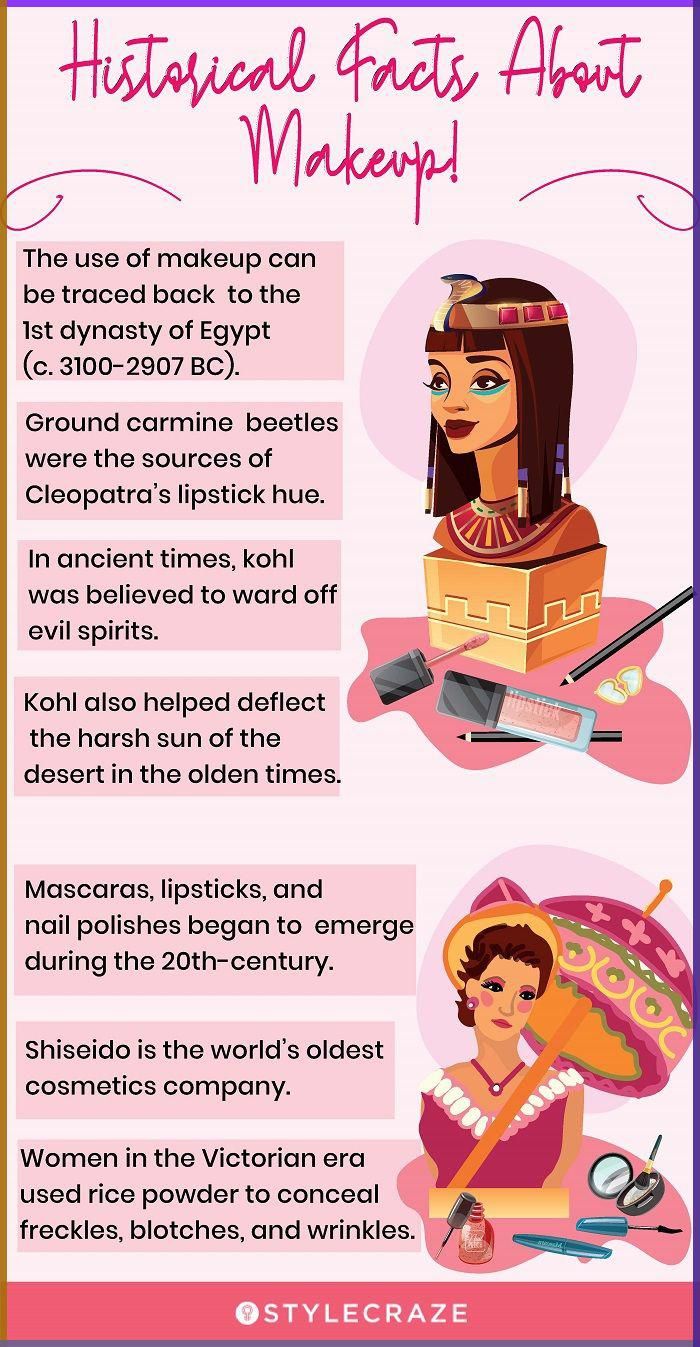
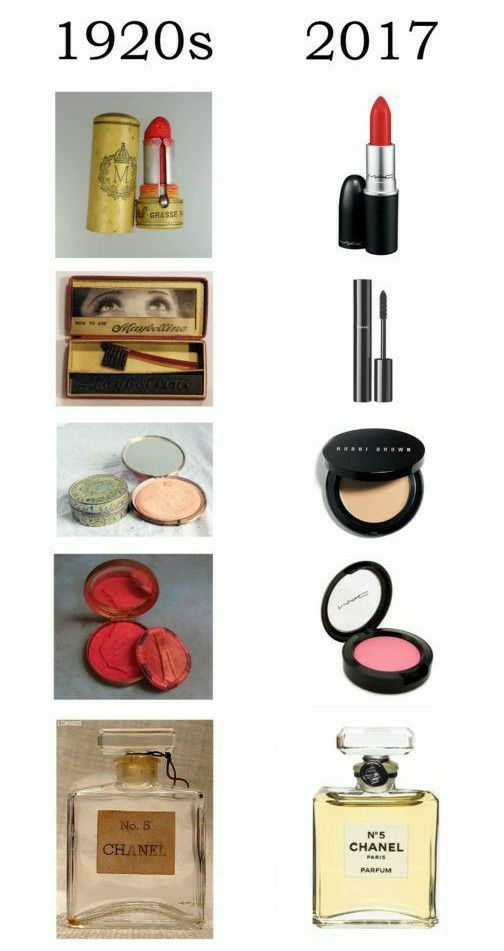
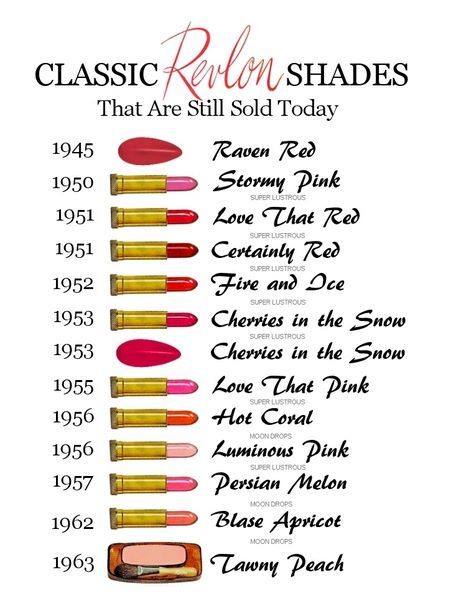
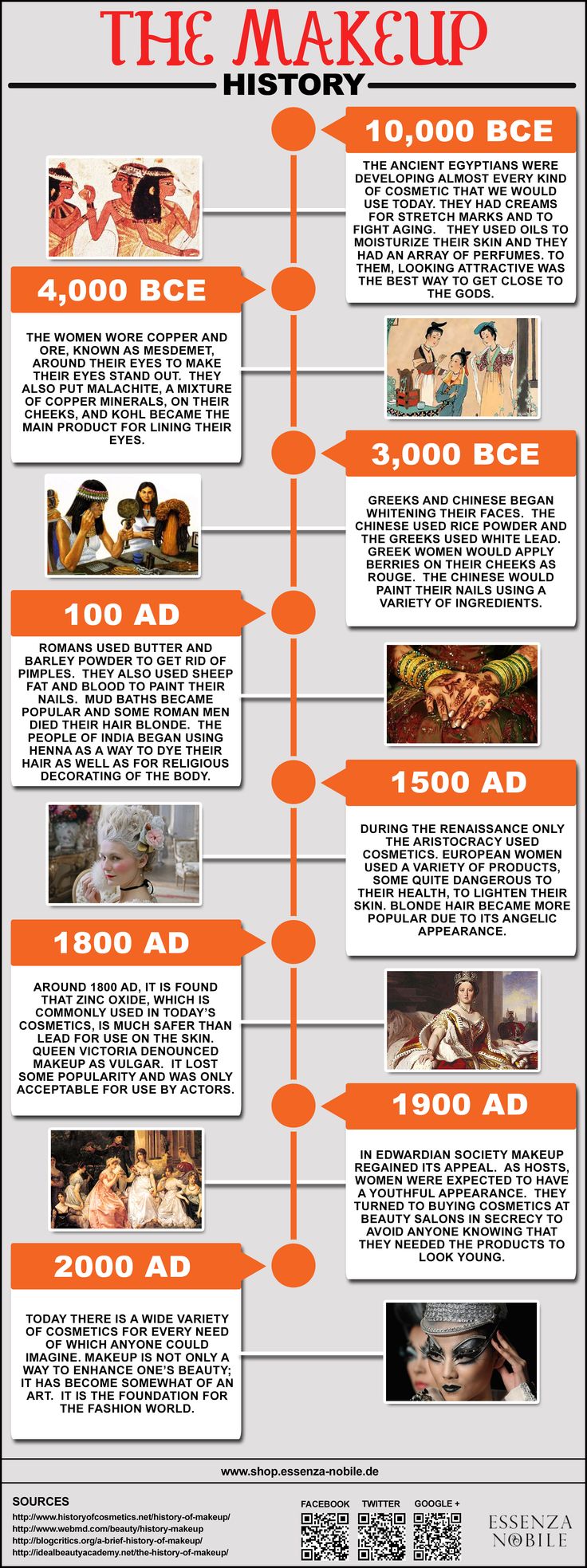
Lipstick is far more than just Lipstick!!
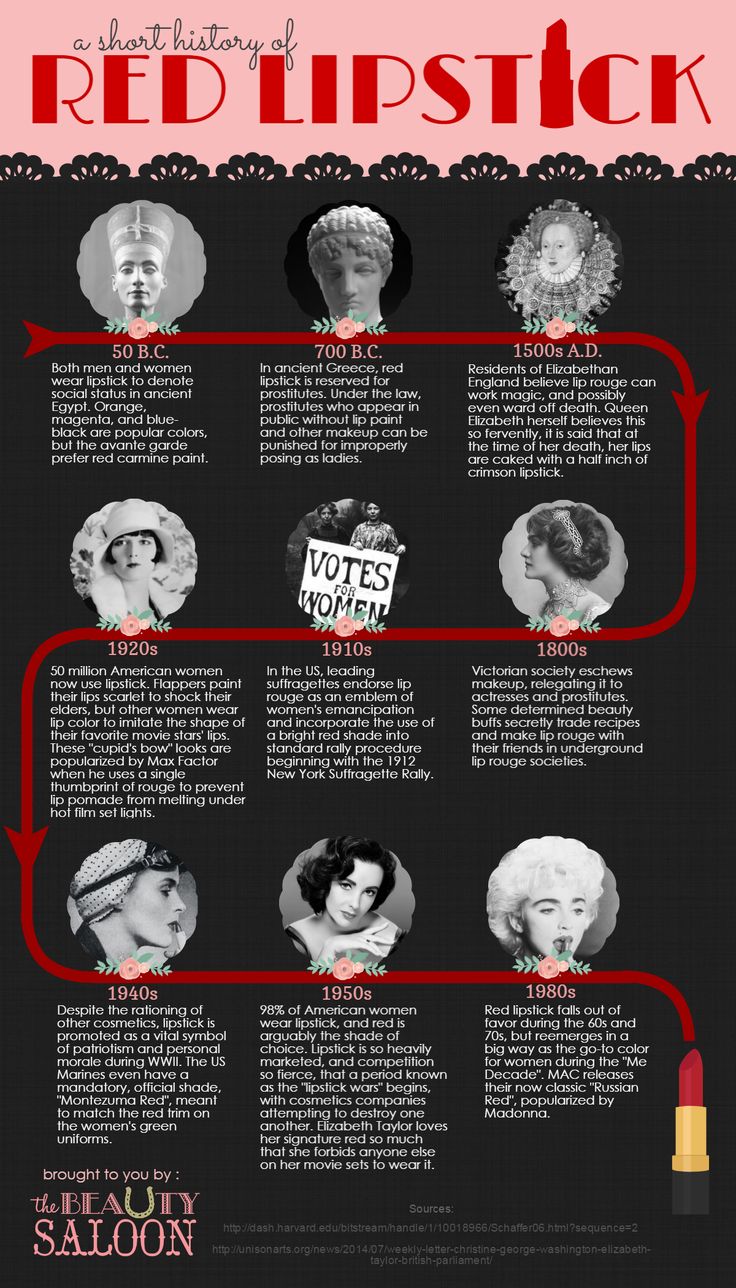
Red lipstick was a symbol of rebellion for women who fought for respect and rights in a sea of men. When women began to march and protest for the right to vote, many donned red lipstick to draw attention to themselves and their cause.
The First Salon in the United States
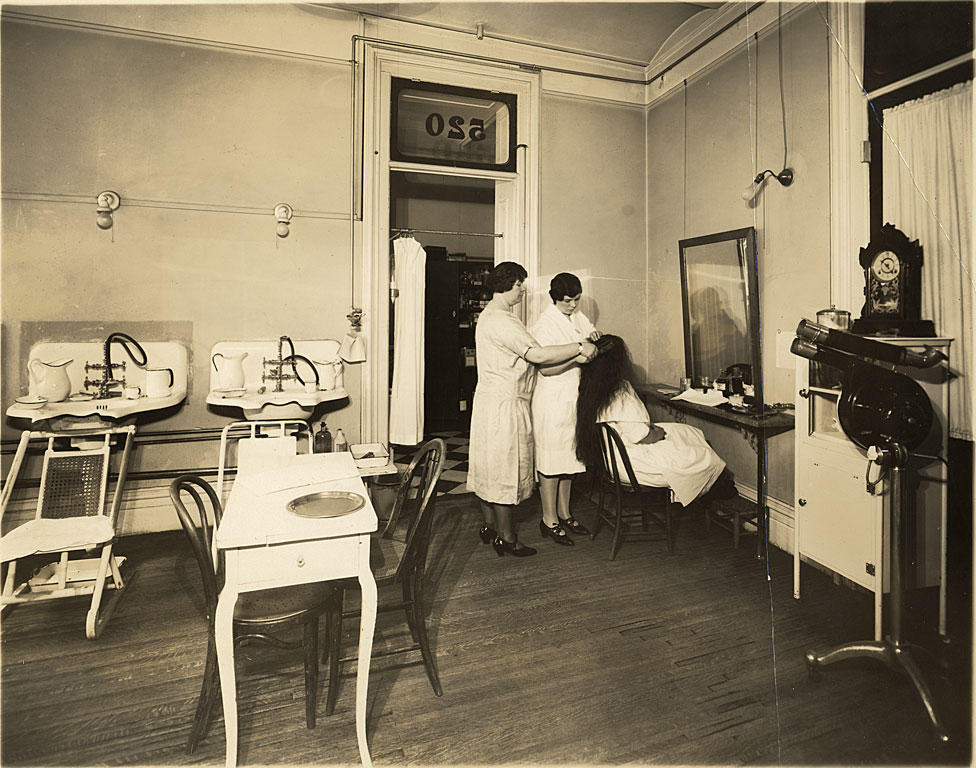
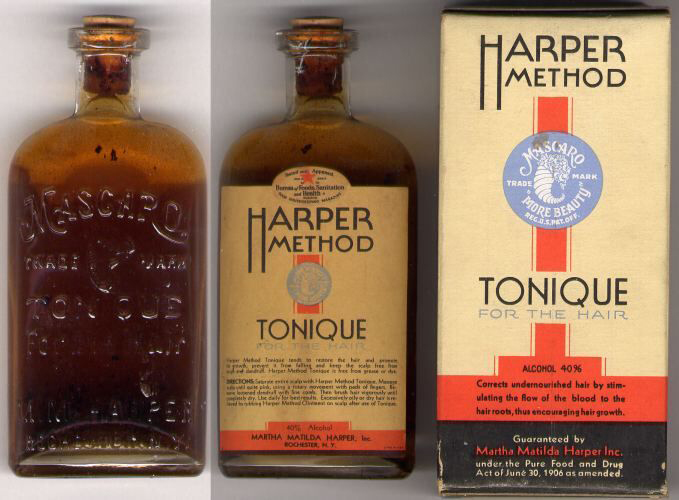
The first dedicated beauty salon in the United States was opened by Martha Matilda Harper in 1888 in Rochester, New York.
Martha Matilda Harper, a Canadian-born former domestic servant, used her life savings of $360 to open the Harper Method Shop, which marked a revolutionary shift in hair care at the time because beauticians previously made house calls to clients. Harper’s salon introduced several innovations that became standard in modern salons, including reclining shampoo chairs, scalp massages, and a focus on customer comfort. She also emphasized healthy hair care, avoiding synthetic dyes and chemical perms, and developed her own line of hair tonics and products.
Harper’s salon model was pioneering not only in services but also in business structure. She became the first to franchise salons in the United States, training women to operate their own Harper Method salons, with the first franchise opening in Buffalo, New York. By the early 20th century, her network had expanded to over 500 salons, making her a trailblazer for women entrepreneurs in the beauty industry.
The opening of Harper’s salon marked the beginning of the modern hair salon concept in the U.S., transforming hairdressing from a private, home-based service into a public, professional, and socially significant business. Her innovations laid the foundation for the growth of beauty salons nationwide, influencing later figures such as Madam C. J. Walker and the expansion of cosmetology as a profession.
First Barbershops in the USA in 1867
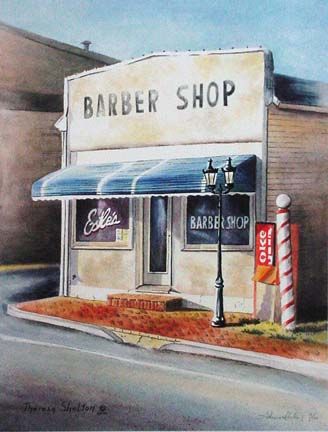
In 1867, the United States did not have a single “first” barbershop in the modern sense, but the year marked a turning point in the profession’s history. The Civil War (1861–1865) had just ended, and the post-war period brought significant social and economic changes, including the re-establishment of the barber shop as a common fixture on Main Street This period also saw the influx of immigrants such as Dutch, German, Italian, and Swedish Americans, which helped elevate the barber profession
The USA’s first nail salon opened in NYC in 1878
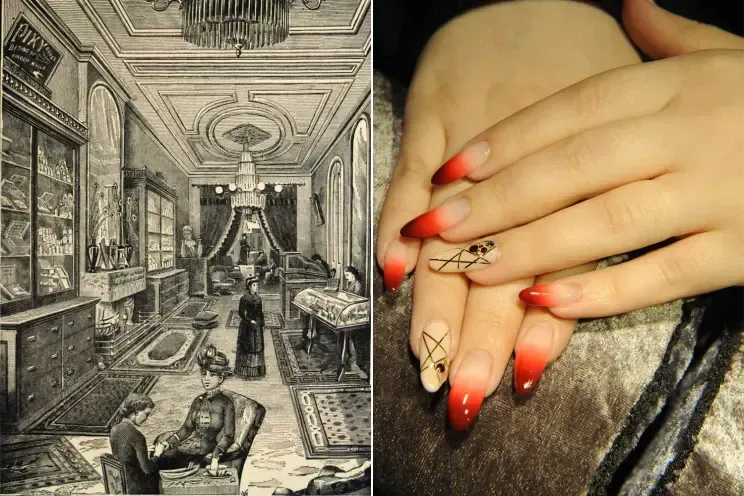
There are nearly 1,300 nail salons in New York City — no surprise, given that the first one in the United States was founded on West 23rd Street, a new book reveals.
Mary Cobb, one of our first female entrepreneurs, opened her salon — Mrs. Cobb’s Manicure Parlors — in 1878, charging $1.25 for a manicure. Within a decade, her business was thriving, her clientele ranging from socialites to showgirls to prostitutes.
“She branded herself the originator of the manicure arts,” says Suzanne E. Shapiro, author of the new history “Nails: the Story of the Modern Manicure” (Prestel).
“She focused on the gentility of elegant hands, and hers was not unlike a simple manicure of today.”
That would be the basic $12 job available at any Korean spa: soak, cuticle cutting, filing, buffing, polish. Up through the late 20th century, “getting a manicure would have been an elite pastime and grooming ritual,” says Shapiro.
But with the influx of Korean immigrants to New York City in the 1970s, manicures became far more accessible and affordable. “Enough can’t be said about Asian entrepreneurs in urban areas,” Shapiro says. “They took something that was once a luxury and drove the price down.”
Then there is the mainstreaming of nail art. It began in the 1970s but exploded with the 1981 invention of Calgel, which preserves polish for at least two weeks.
Today, intricate nail art crosses all demographics, with Nails magazine reporting it the most in-demand manicure from 2012-13.
Shapiro has a couple of theories as to why.
“The economic downturn created this climate where you have to give up some of the greater luxuries, but you could still have hot-looking nails,” she says.
“And Internet culture ushered in this visual obsession with everyone’s style. Nail art is not just going to last the two weeks you have it” — because it lives online forever.
As for why New York women have been devotees of the manicure for more than 130 years, Shapiro says that the city itself is responsible.
“Life here is so public,” she says. “We don’t necessarily show people our homes or our cars, but so much of how we express ourselves is through physical presentation.”
Beauty Industry Artist
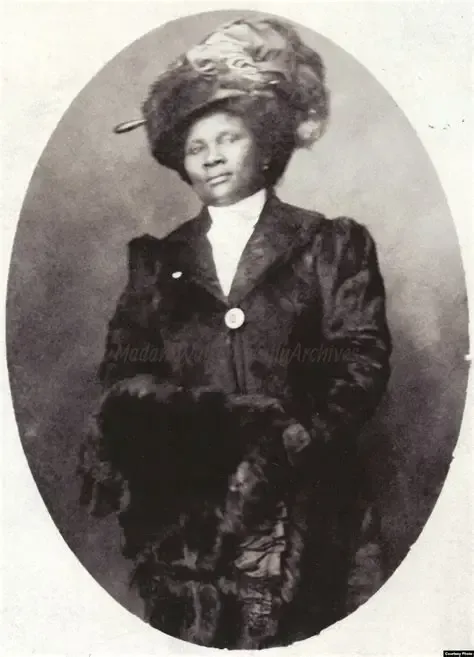
Madam C.J. Walker
1867-1919
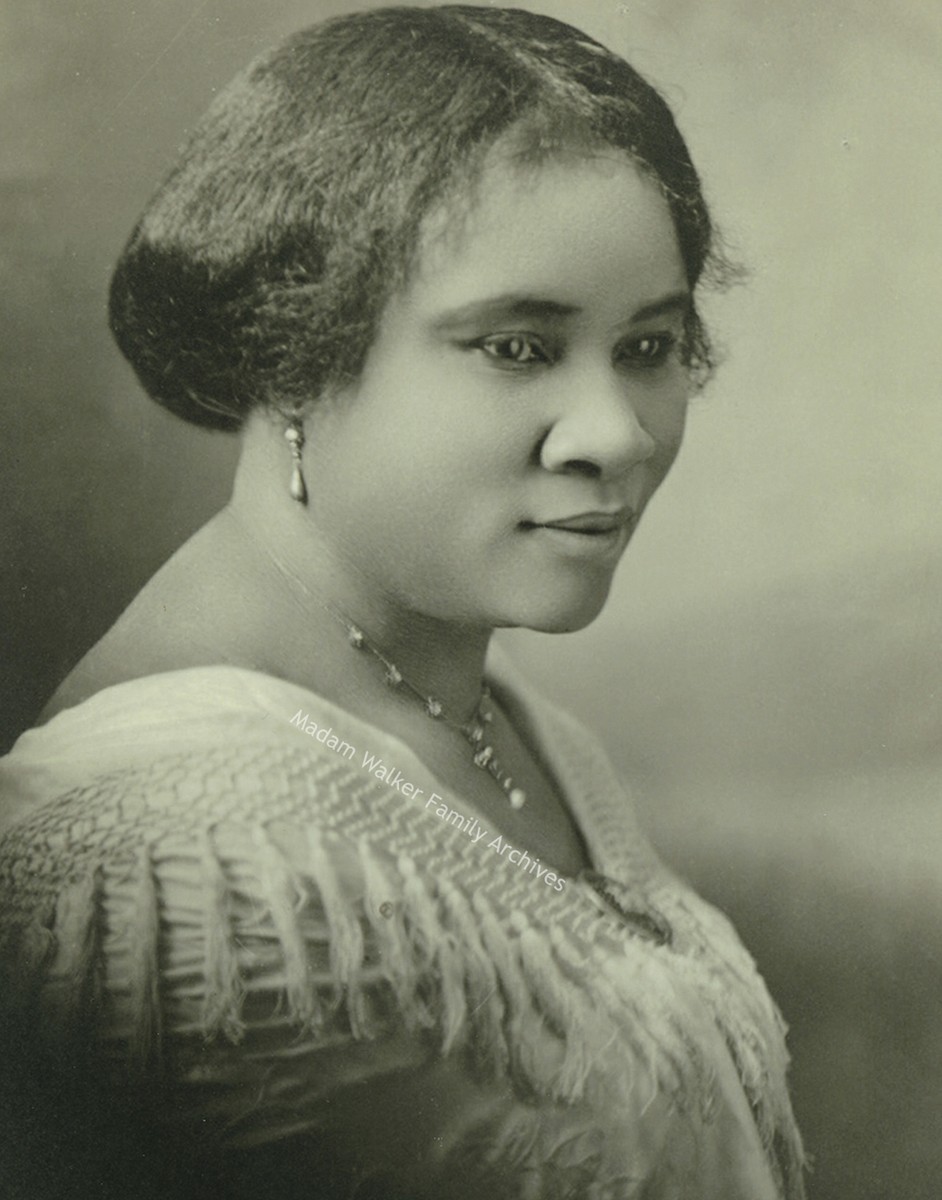
Entrepreneur, philanthropist, and activist, Madam C.J. Walker rose from poverty in the South to become one of the wealthiest African American women of her time. She used her position to advocate for the advancement of black Americans and for an end to lynching.
Born Sarah Breedlove on December 23, 1867, on a plantation in Delta, Louisiana, one of six children of Owen and Minerva Anderson Breedlove, former slaves-turned sharecroppers after the Civil War. Orphaned at age seven, Walker lived with her older sister Louvenia, and the two worked in the cotton fields. Partly to escape her abusive brother-in-law, at age 14 Walker married Moses McWilliams. When her husband died in 1887, Walker became a single parent of two-year old daughter Lelia (later known as A’Lelia).
Seeking a way out of poverty, in 1889, Walker moved to St. Louis, Missouri, where her four brothers were barbers. There, she worked as a laundress and cook. She joined the African Methodist Episcopal Church, where she met leading black men and women, whose education and success likewise inspired her. In 1894, she married John Davis, but the marriage was troubled, and the couple later divorced.
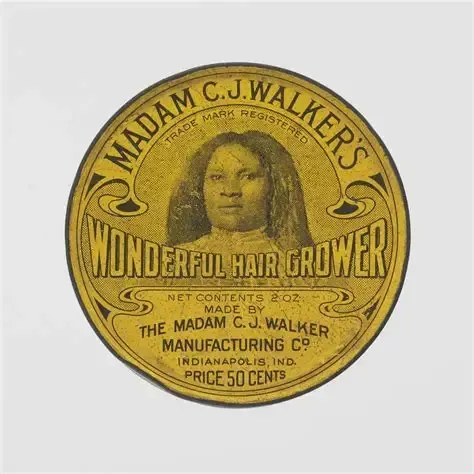
Struggling financially, facing hair loss, and feeling the strain of years of physical labor, Walker’s life took a dramatic turn in 1904. That year, she not only began using African American businesswoman Annie Turbo Malone’s "The Great Wonderful Hair Grower,” but she also joined Malone’s team of black women sales agents. A year later, Walker moved to Denver, Colorado, where she married ad-man Charles Joseph Walker, renamed herself “Madam C.J. Walker,” and with $1.25, launched her own line of hair products and straighteners for African American women, “Madam Walker’s Wonderful Hair Grower.”
Initially, Walker’s husband helped with advertising and establishing a mail order business. After the pair divorced in 1910, she relocated to Indianapolis and built a factory for her Walker Manufacturing Company. An advocate of black women’s economic independence, she opened training programs in the “Walker System” for her national network of licensed sales agents who earned healthy commissions. Ultimately, Walker employed 40,000 African American women and men in the US, Central America, and the Caribbean. She also founded the National Negro Cosmetics Manufacturers Association in 1917.
Walker’s business grew rapidly, with sales exceeding $500,000 in the final year of her life. Her total worth topped $1 million dollars, and included a mansion in Irvington, New York dubbed “Villa Lewaro;” and properties in Harlem, Chicago, Pittsburgh, and St. Louis.
As her wealth increased, so did her philanthropic and political outreach. Walker contributed to the Young Women's Christian Association (YWCA), covered tuition for six African American students at Tuskegee Institute, and became active in the anti-lynching movement, donating $5,000 to the NAACP’s efforts. Just prior to dying of kidney failure, Walker revised her will, bequeathing two-thirds of future net profits to charity, as well as thousands of dollars to various individuals and schools.
Contact info
Styles by Gabriella
205 N. Graves St.
McKinney TX 75069
(Located inside Salon 205)
(903)669-5274
sbg@stylesbygabriella.net
Opening hours
M: Closed
T: 10am - 7pm
W: 10am - 5pm
Every other week closed for out on location
T: 10am - 7pm
F: 10am - 5pm
S: 10am-3pm
Closed every other weekend..
SU: Closed
Important links


© 2026 Styles By Gabriella - All Rights Reserved.
